

MY POSITION
GAME DESIGNER & QA GAME TESTER
-
Prepared design pitches for team leaders and company executives for every proposed feature, defending scope and direction in internal reviews before features moved into production.
-
Coordinated between the art and programming teams throughout each feature's development, translating design intent into actionable specifications for both disciplines and resolving cross-team blockers as they came up.
-
Monitored player requests on the community Discord and folded recurring feedback into the design pipeline, including the community-requested storage unit delivery mechanic that shipped as part of the cargo system.

My Responsibilities
-
Joined Mym Games Studios two months before ContractVille's release and continued as the sole game designer on the project across its post-launch lifecycle, owning every feature added to the game from concept through to live deployment.
-
Designed the Go Green update end-to-end, including its seven quest types, milestone reward system, and progression mechanics, then built on that foundation with the cargo system and taxi system as standalone post-launch features.
-
Wrote NPC dialog, mission narration, and NPC AI behavior for the Go Green, taxi, and cargo content, integrating these into the existing world without breaking the game's established tone


Design Breakdown
Update 0.3: Taxi & Cargo
-
Proposed splitting the taxi and cargo systems into separate design documents to reduce scope and enable faster iteration under tight development timelines.
-
Structured each system into modular sections to support phased development and easier implementation.
-
Introduced a data-driven validation approach: planned to track player engagement and continue development based on feature adoption metrics.
-
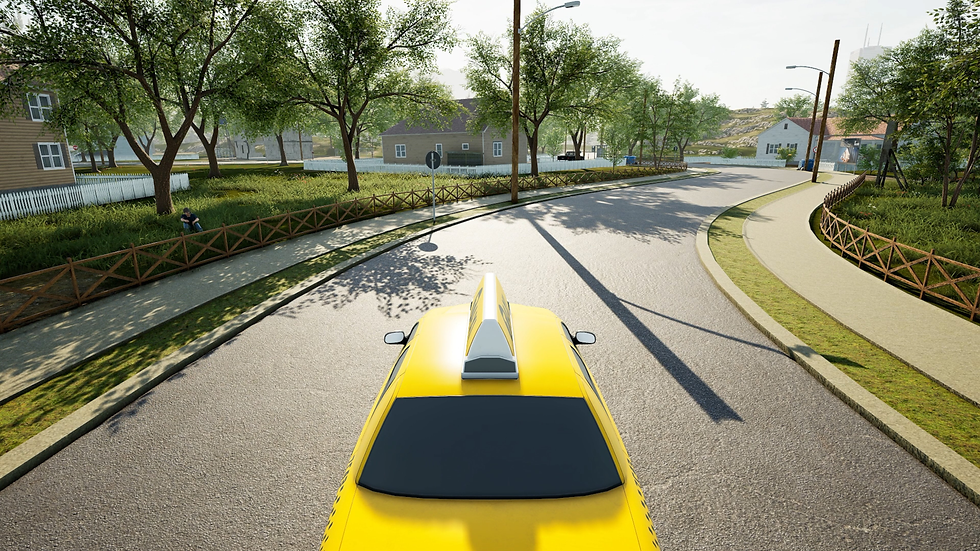
Designed the taxi system with cultural grounding, using the Turkish taxi stand (durak) structure as a core progression and gameplay hub.
TAXI
-
Implemented a progression system for taxi stands and drivers to reinforce long-term player engagement.
-
Designed a passive income mechanic through taxi operations, balancing it to avoid disrupting the in-game economy.
-
Addressed open-world traversal friction by integrating taxi functionality as both a playable role (driver) and a transportation service. (fast travel alternative)
-
Created a dual-use system allowing players to either actively earn income as taxi drivers or passively benefit from owned taxi operations.
-
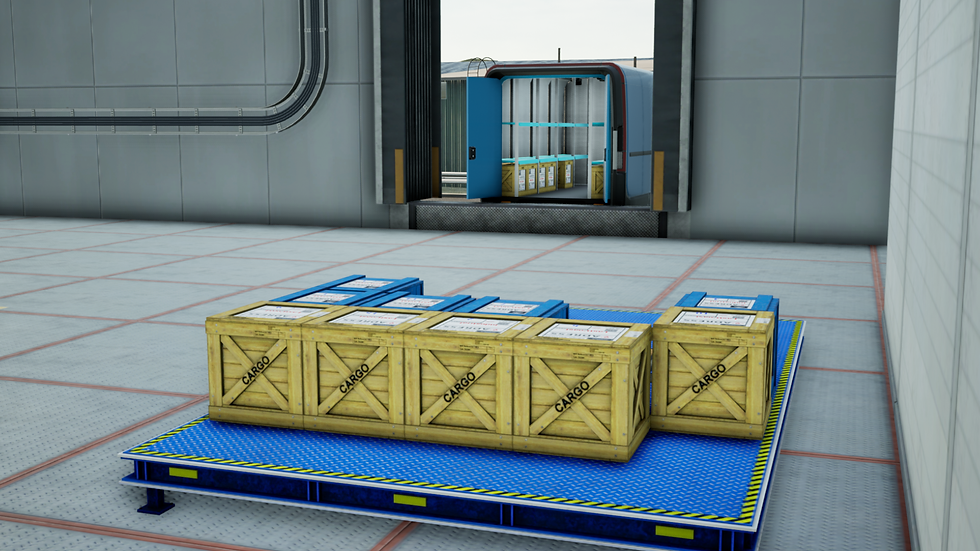
Designed the cargo system from the ground up to give delivery contracts a clear structure, defining objectives and establishing a consistent gameplay loop for players.
-
Responded to the Director's request for more challenge by introducing cargo damage mechanics and distinct cargo types such as fragile and hazardous materials, each demanding different handling approaches from the player.
-
Researched Amazon's real-world logistics and delivery workflows as a design reference, extracting the core logic behind handling constraints, prioritization, and failure consequences, then translated these into simplified and gamified mechanics.
-
Built the system under tight production timelines using a phased GDD approach, breaking the feature into iterative stages and using player data analysis after each phase to decide whether continued development was justified.
CARGO
-
Addressed the underuse of the open world by identifying areas with little to no player activity and redistributing cargo missions evenly across the entire map, giving players a real reason to explore every corner of it.
-
Designed co-op cargo delivery so players could carry and deliver goods together, including a photo confirmation mechanic at drop-off that mirrors real-world proof-of-delivery practices and ties directly back to the Amazon research that informed the system.
-
Introduced an electric cargo vehicle that plugged into the vehicle and charging mechanics already established by the Go Green update, creating deliberate continuity between patches rather than treating new content as isolated additions.
-
Identified a recurring community request for storage unit deliveries to active construction sites and incorporated it into the cargo system as a nested mechanic, treating player feedback as a direct design input rather than a post-launch patch consideration.
Game Images
Game visuals from the marketing phase are shown below.


